

Types of blouse
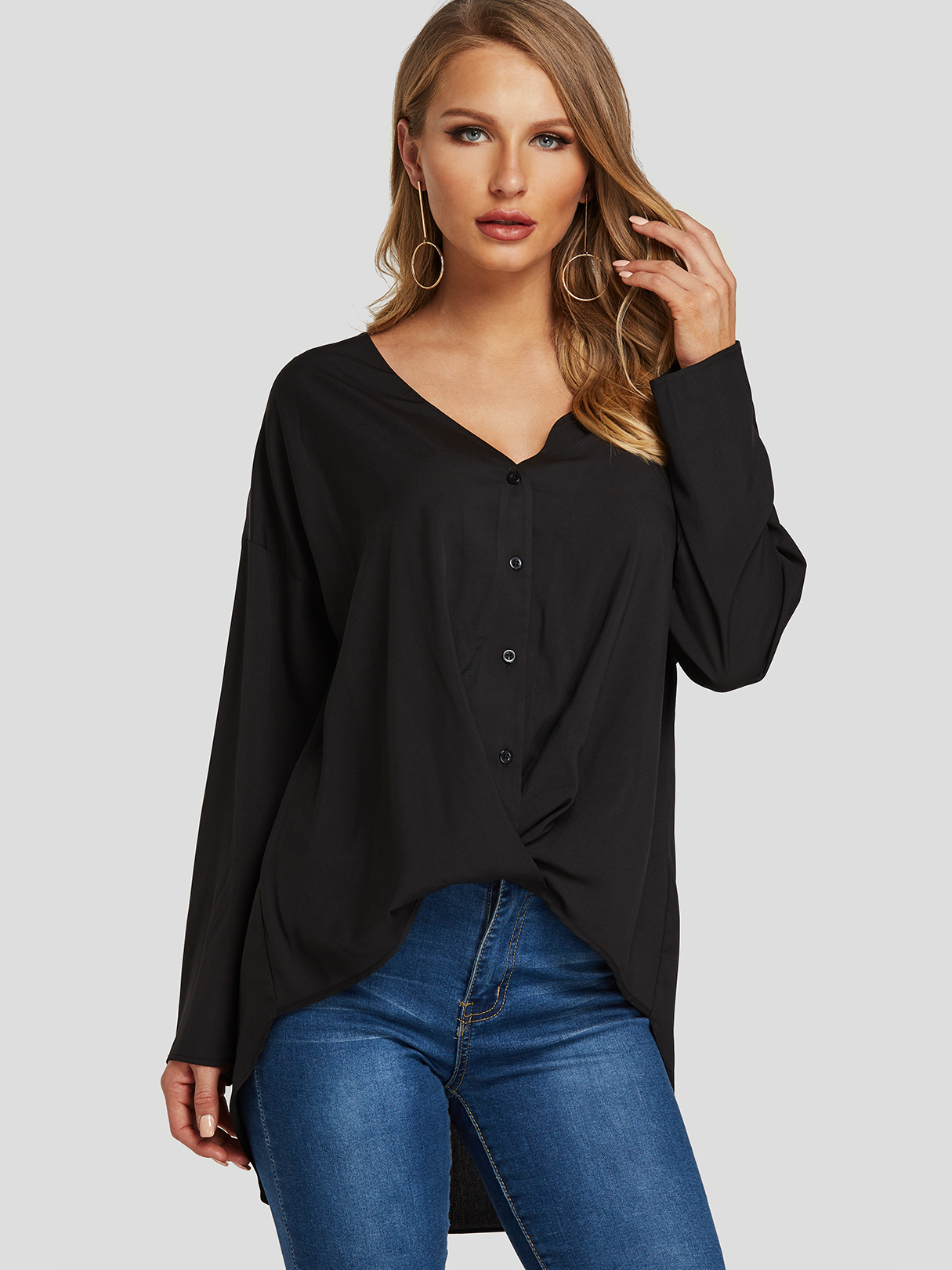
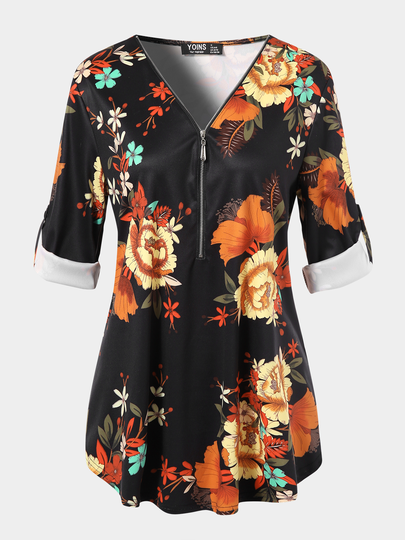
- Button-front blouse: classic and smart, good for work.
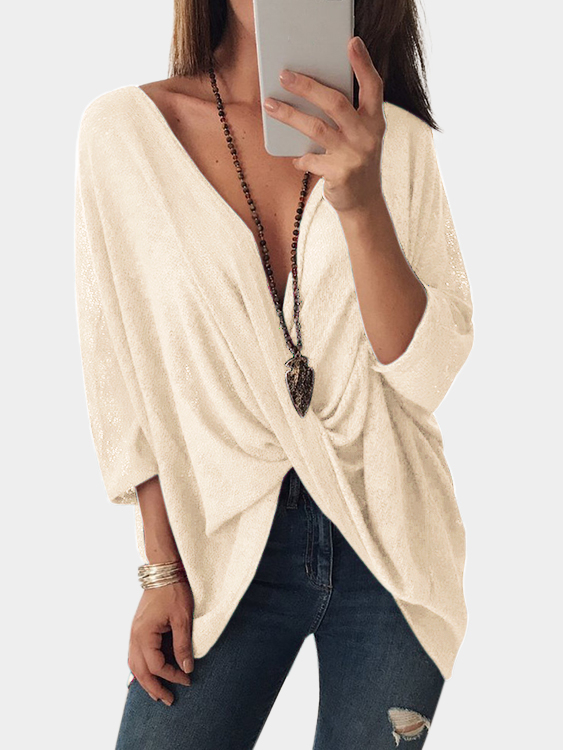
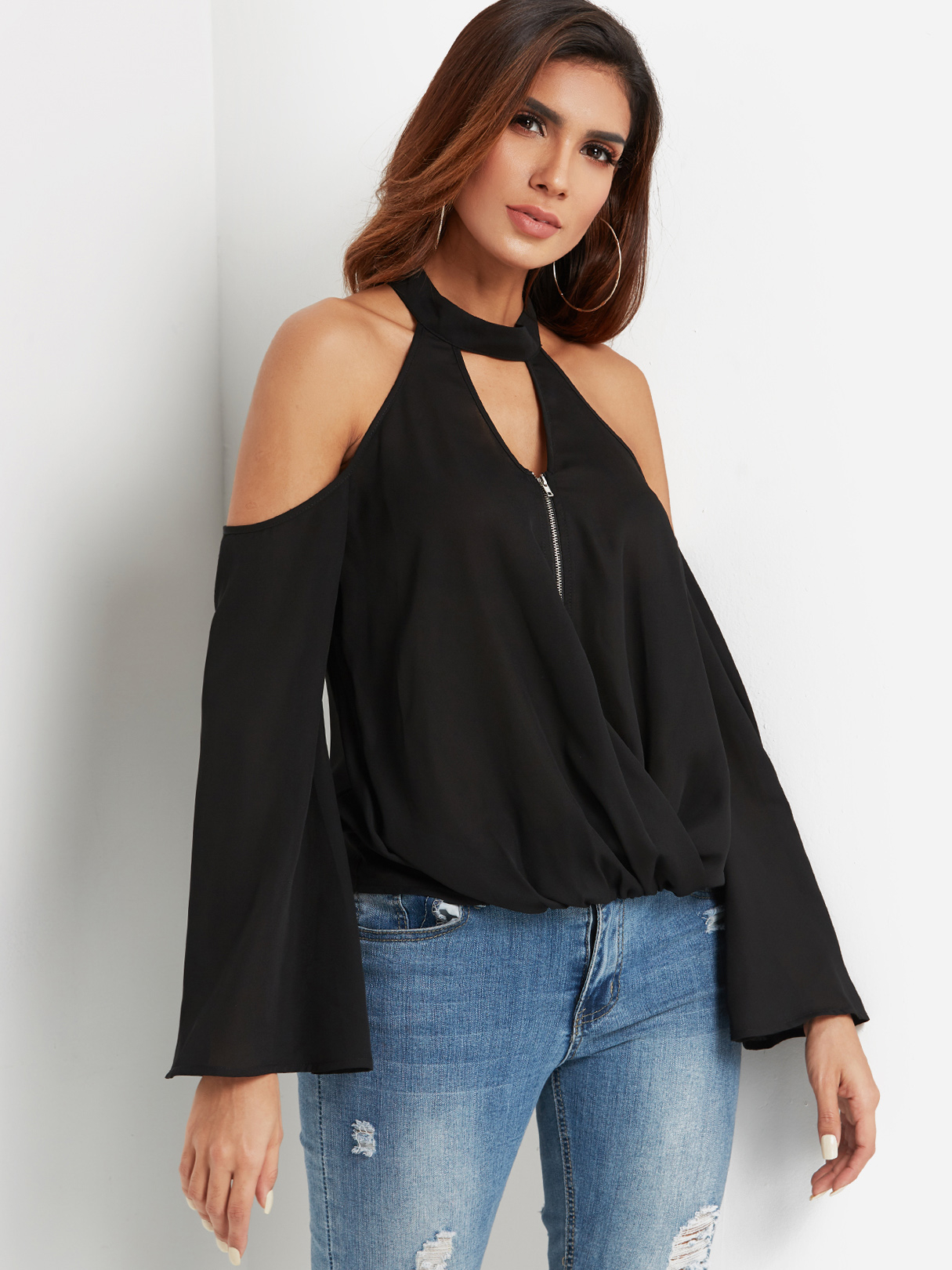
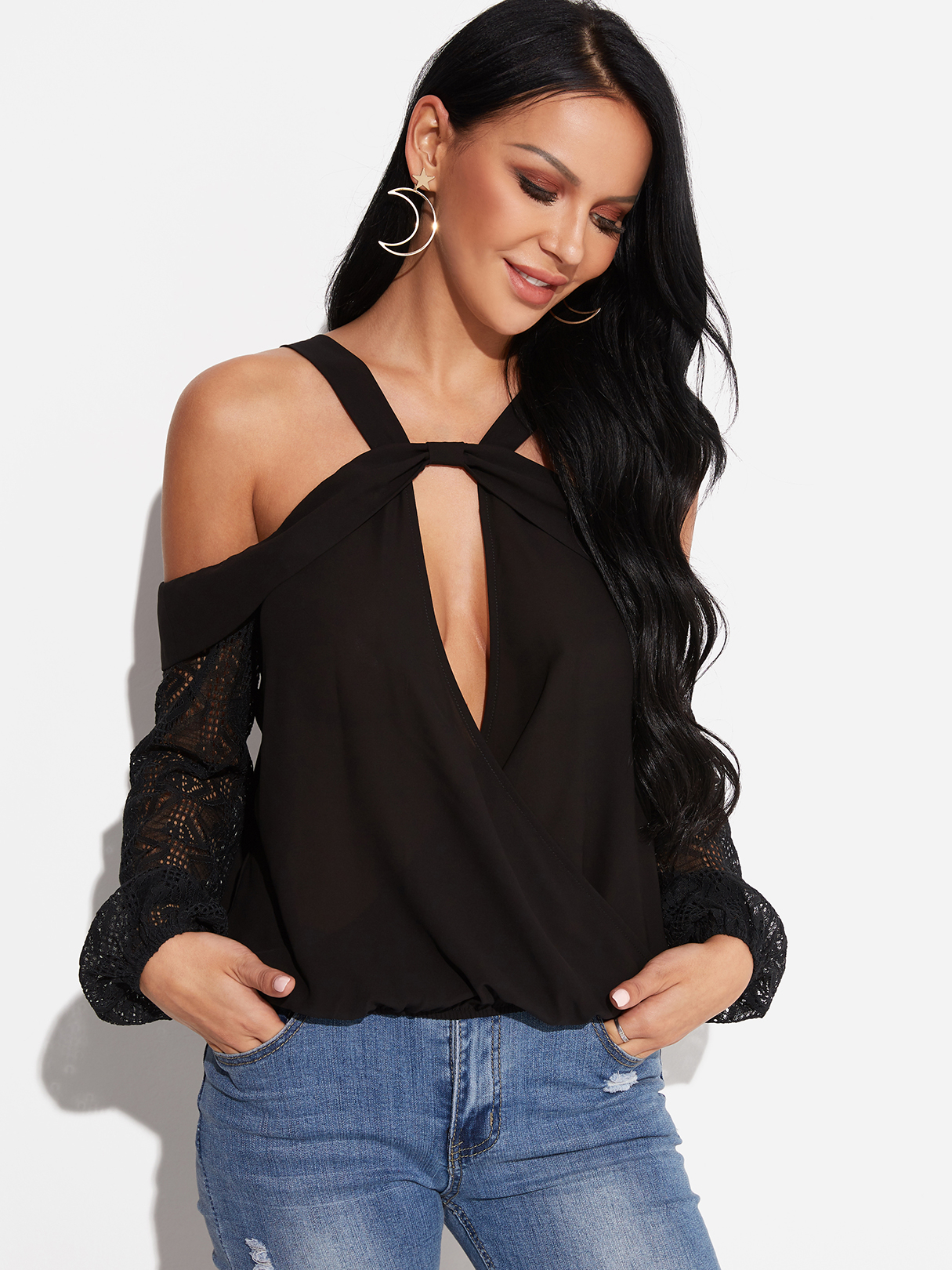
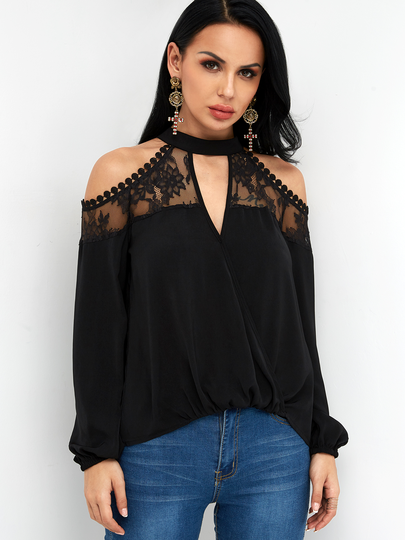
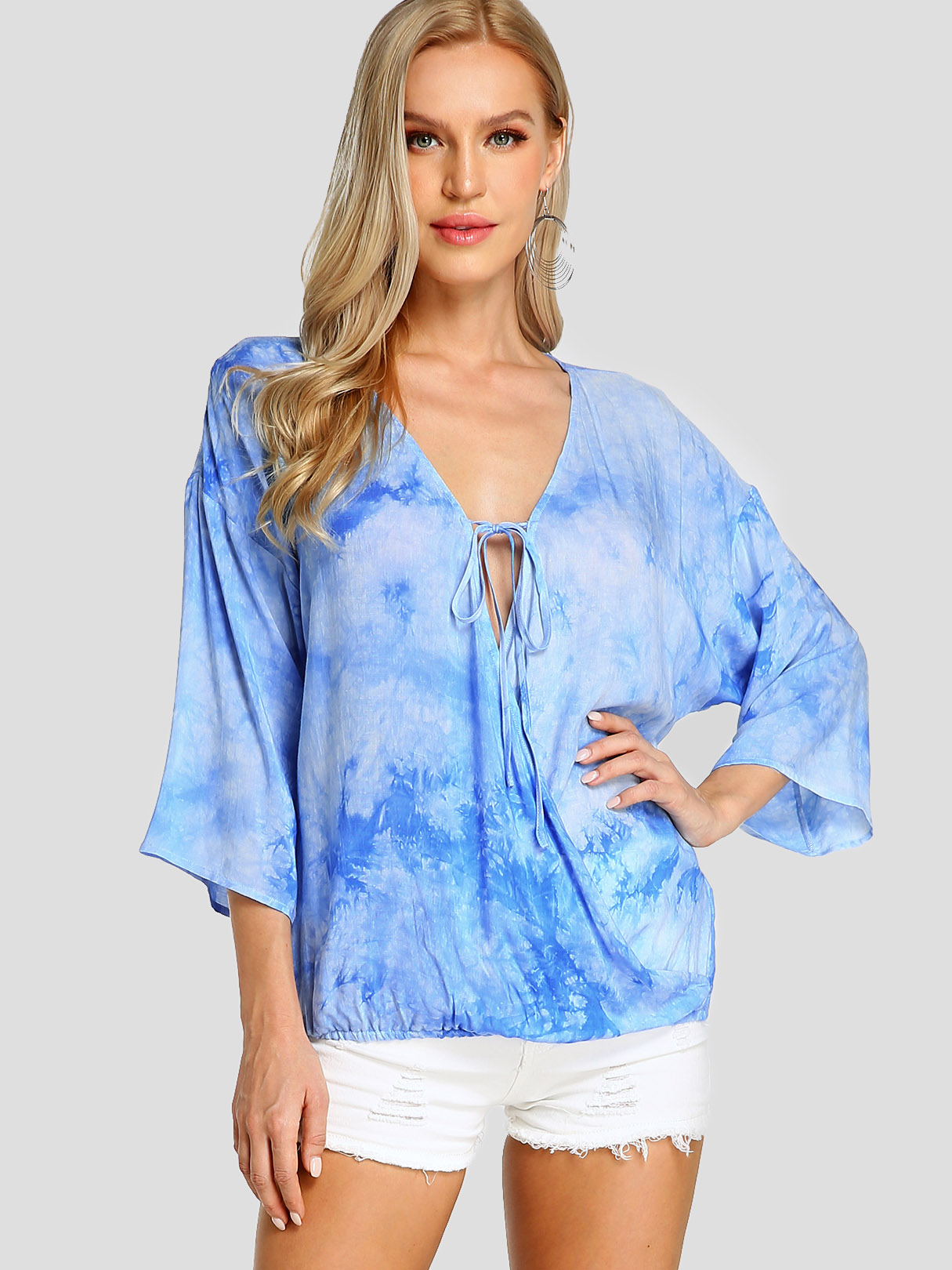
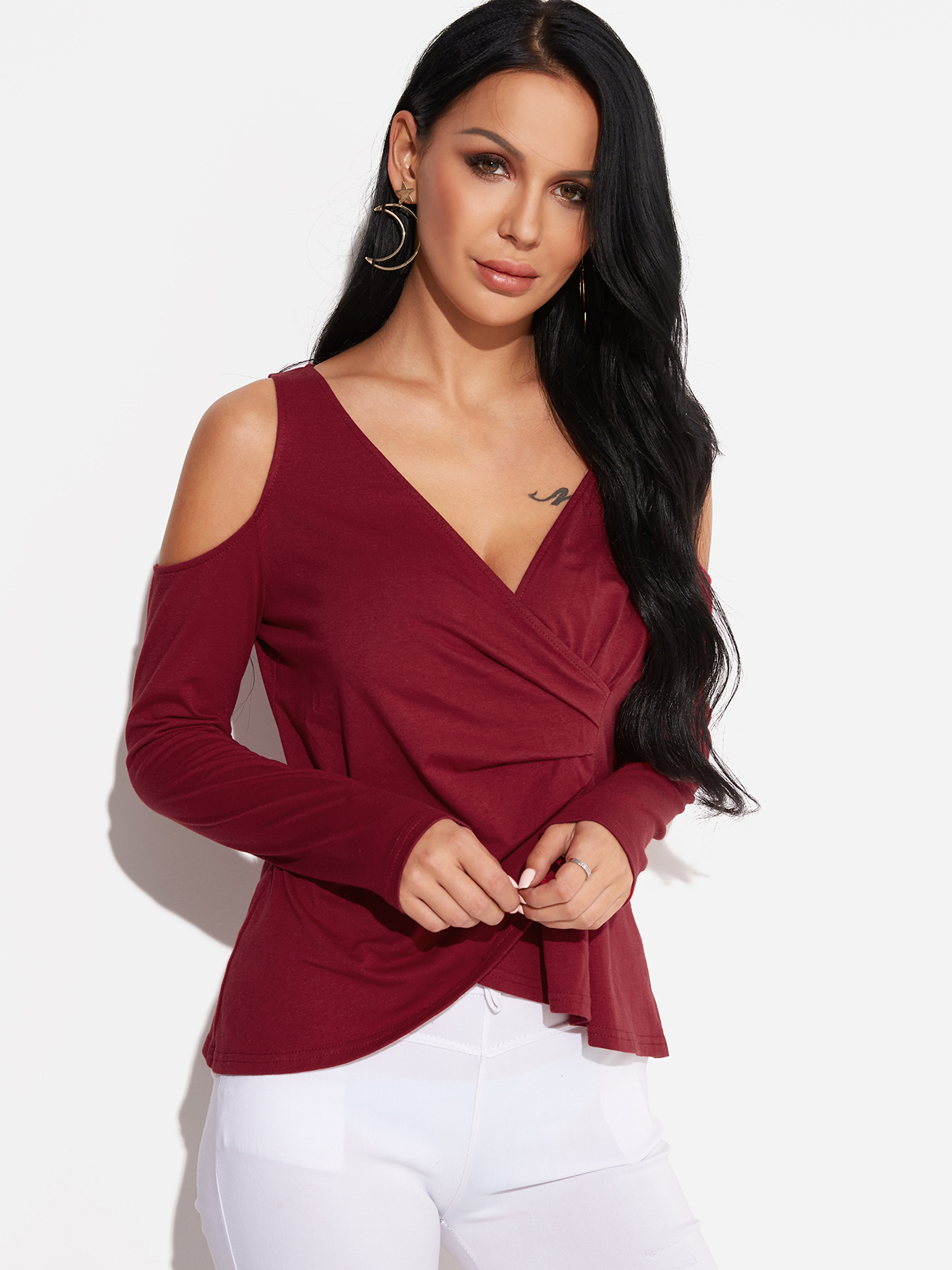
- Wrap and crossover blouse: crosses at the front, flattering and adjustable.
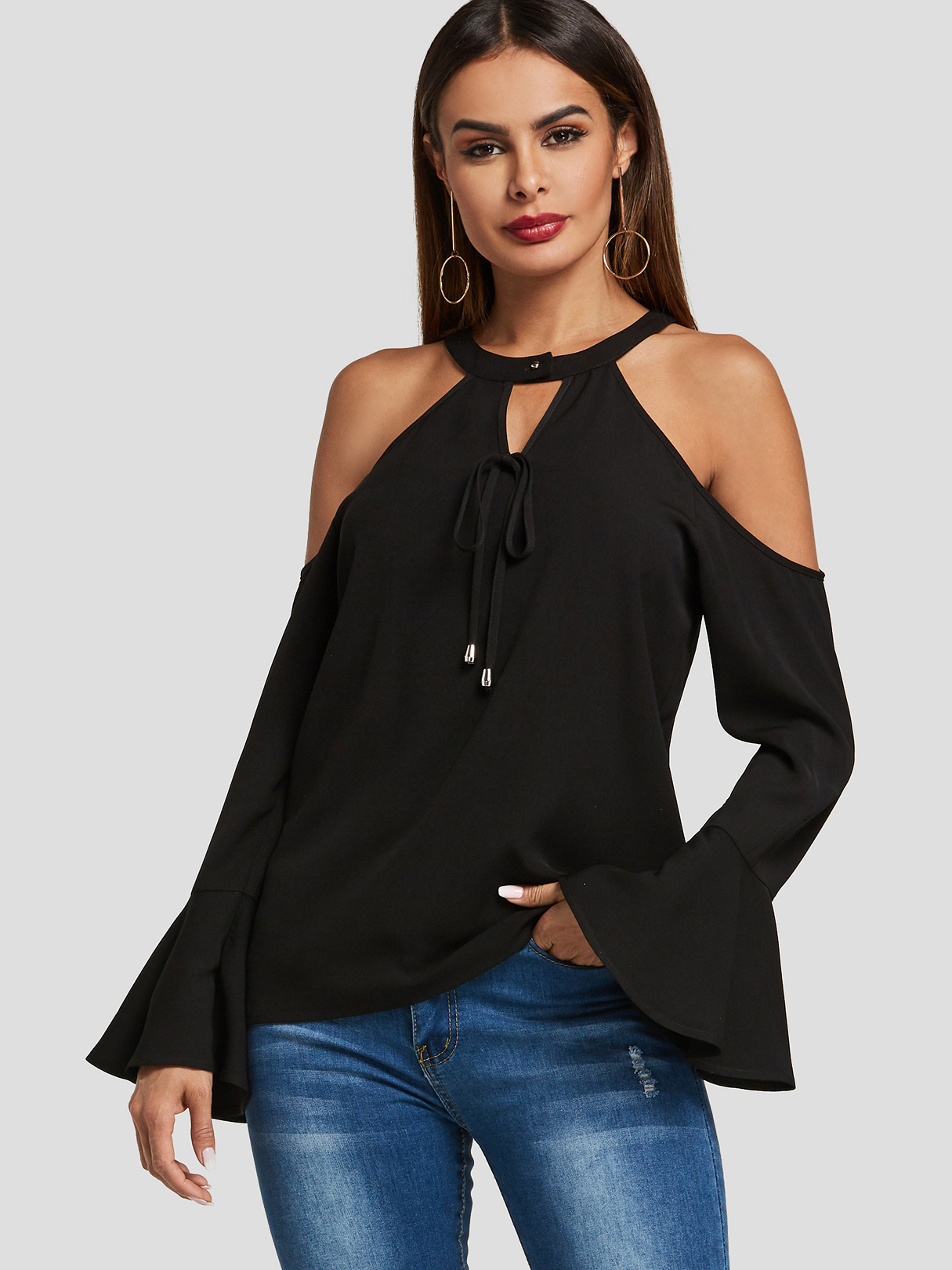
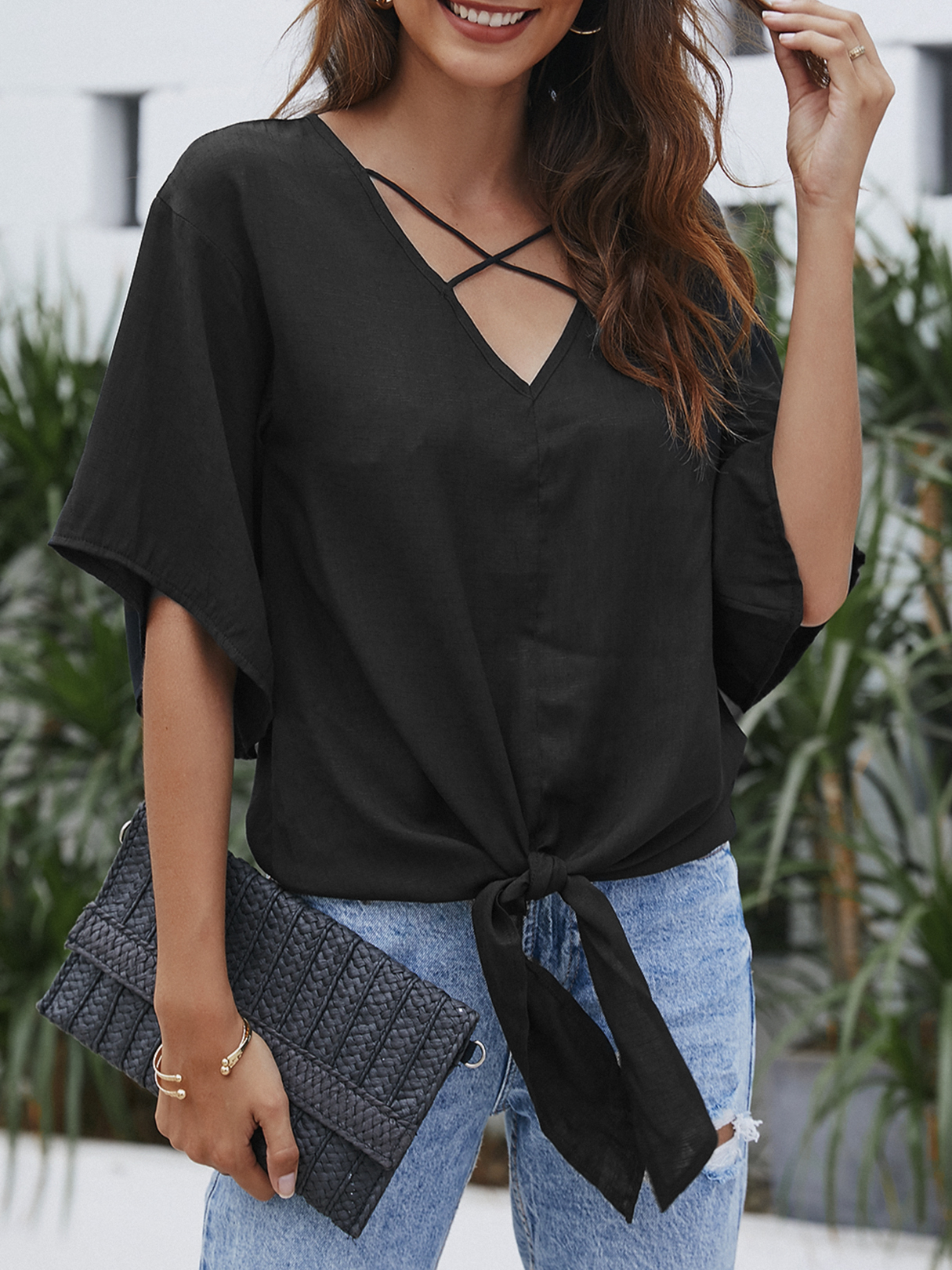
- Tie-front and knotted: a casual twist that works over high-waisted bottoms.
- Peasant and boho: loose, often with embroidery or a gathered neckline.
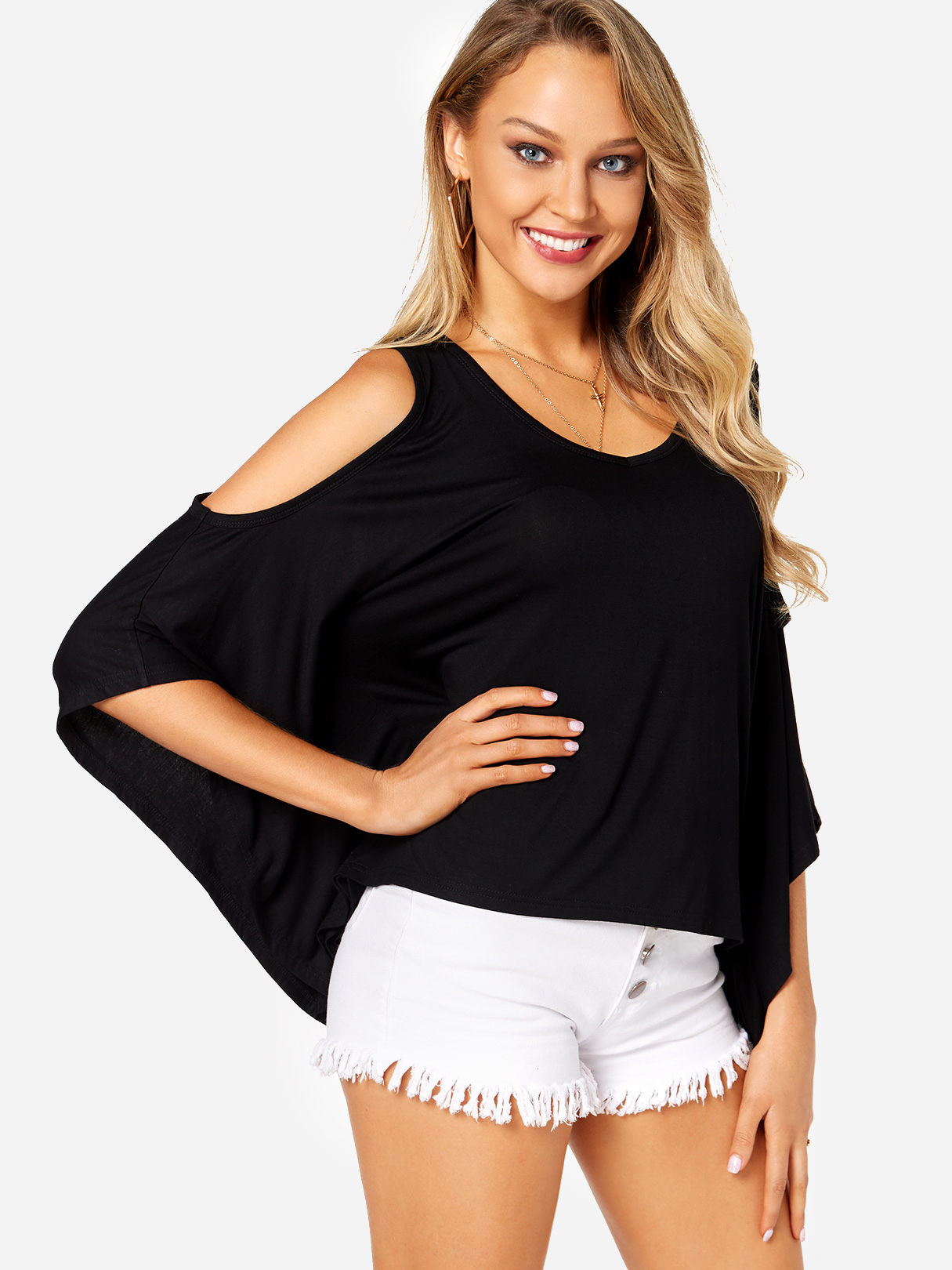
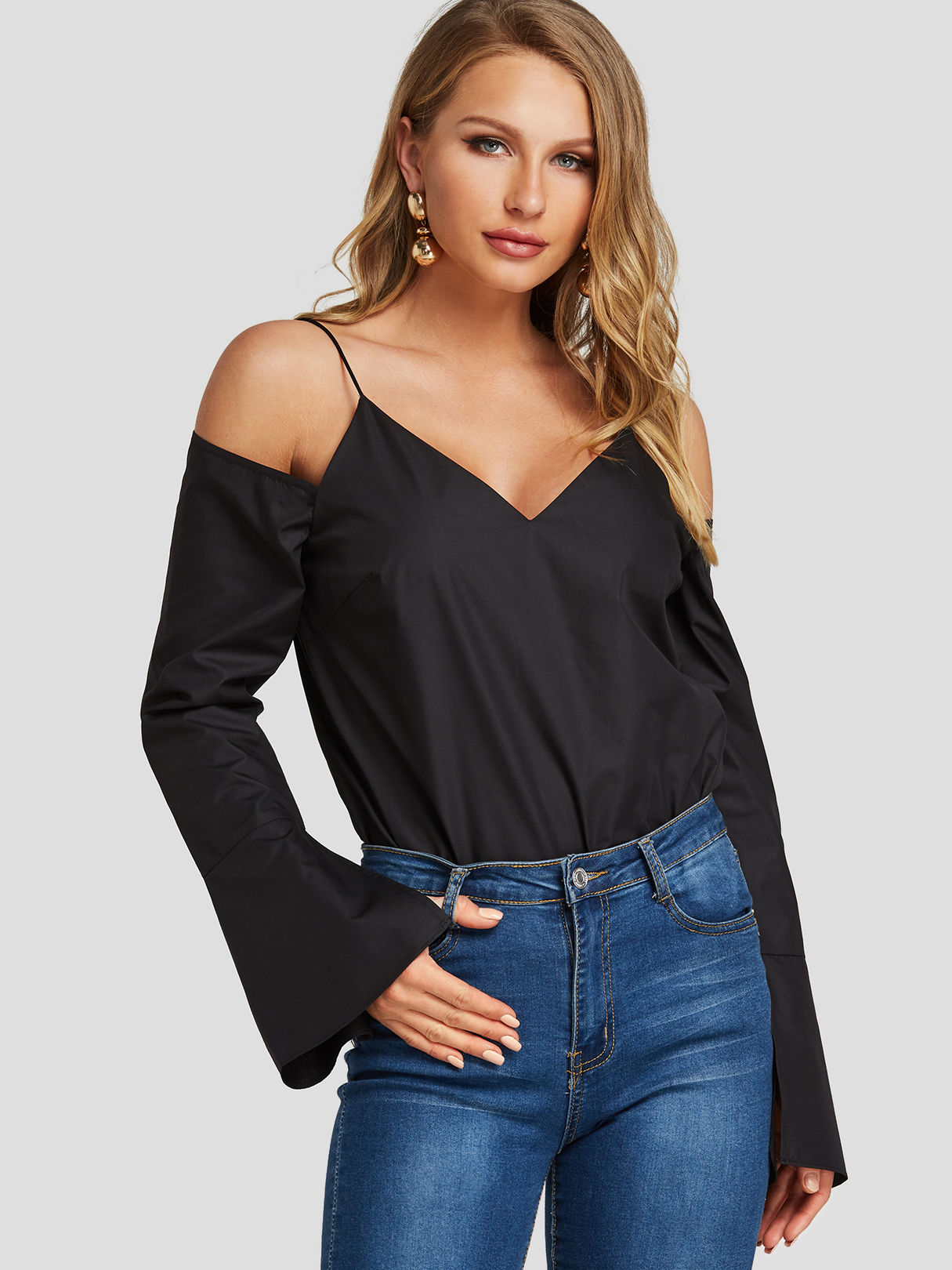
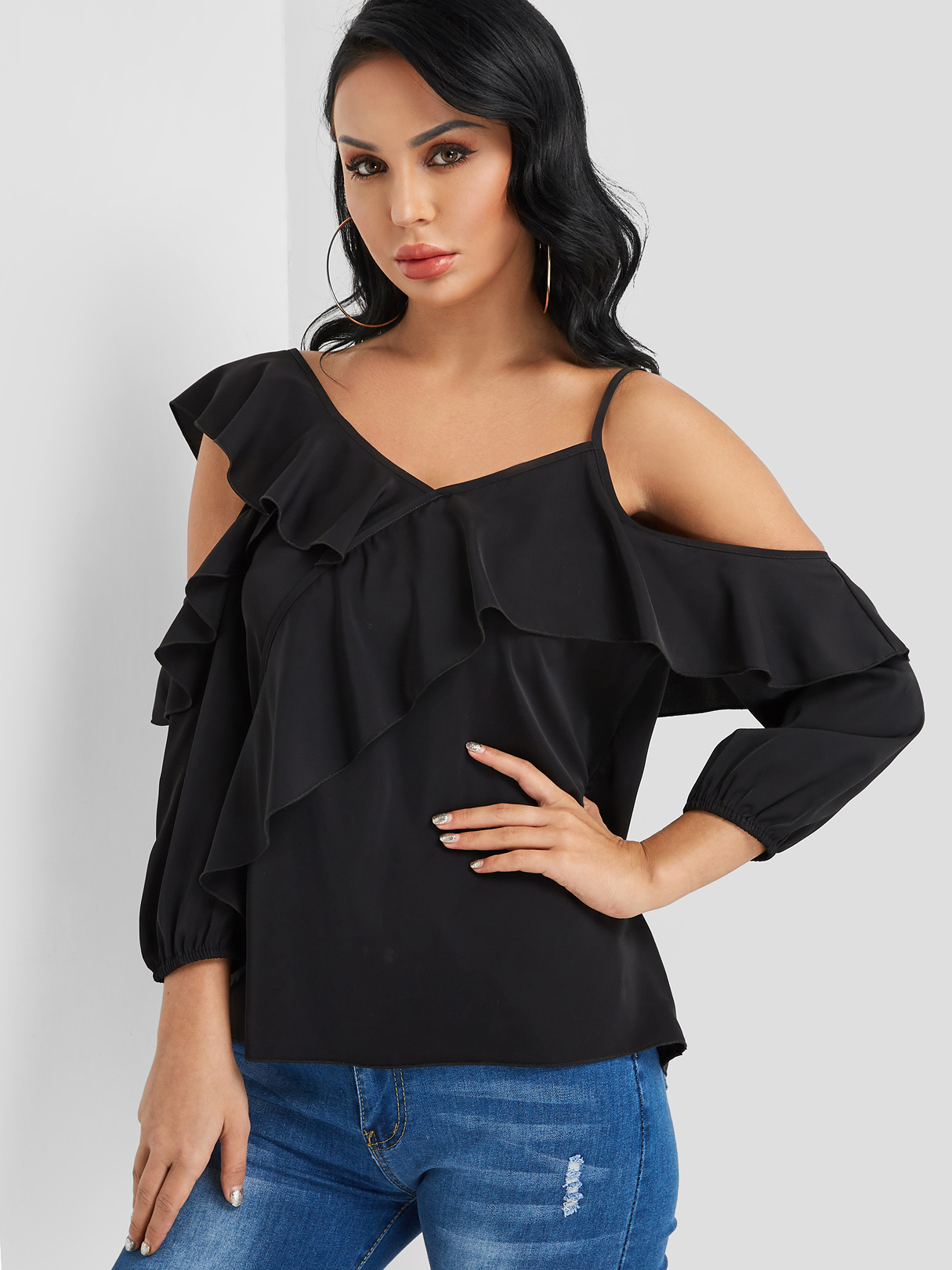
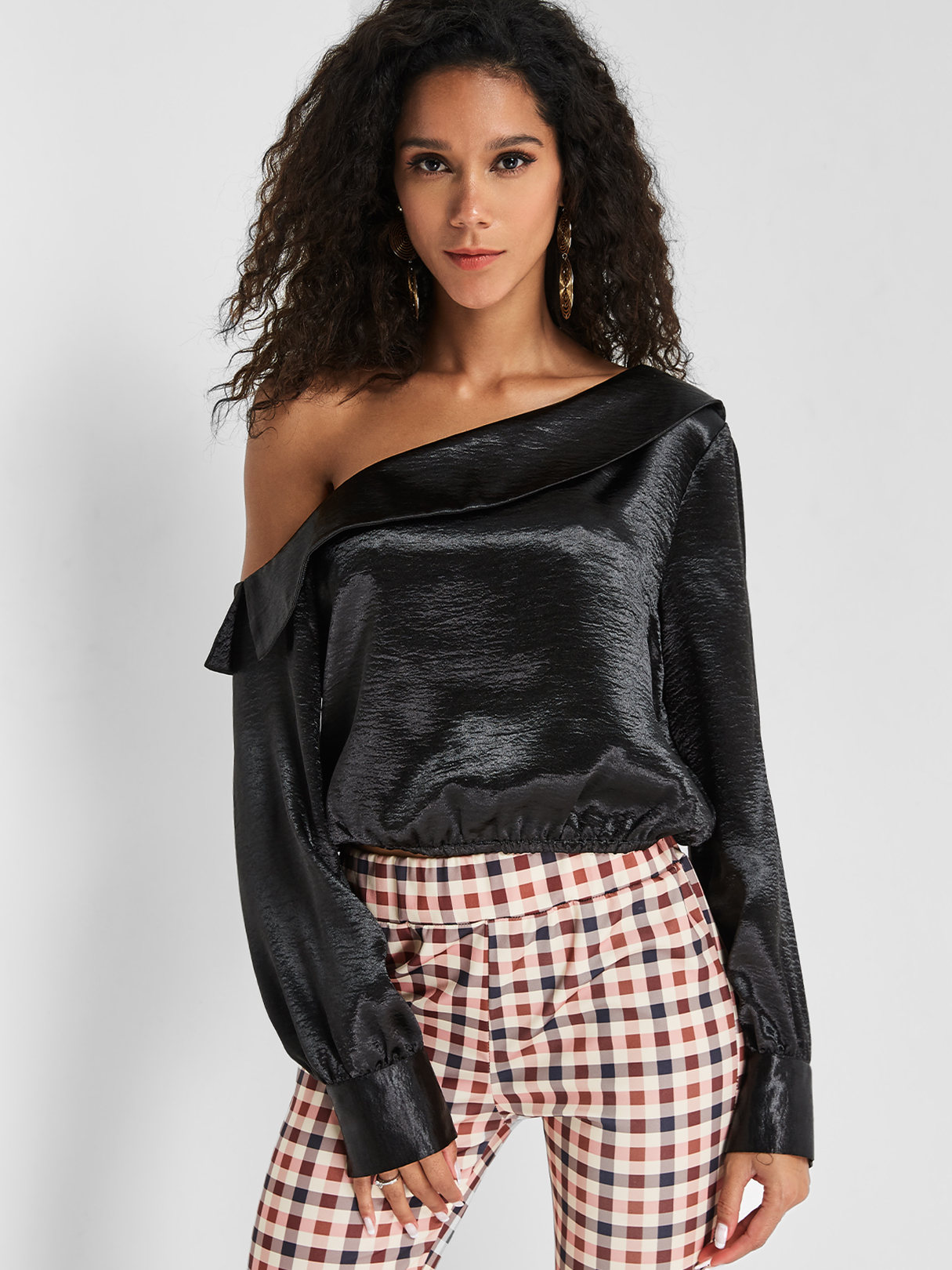
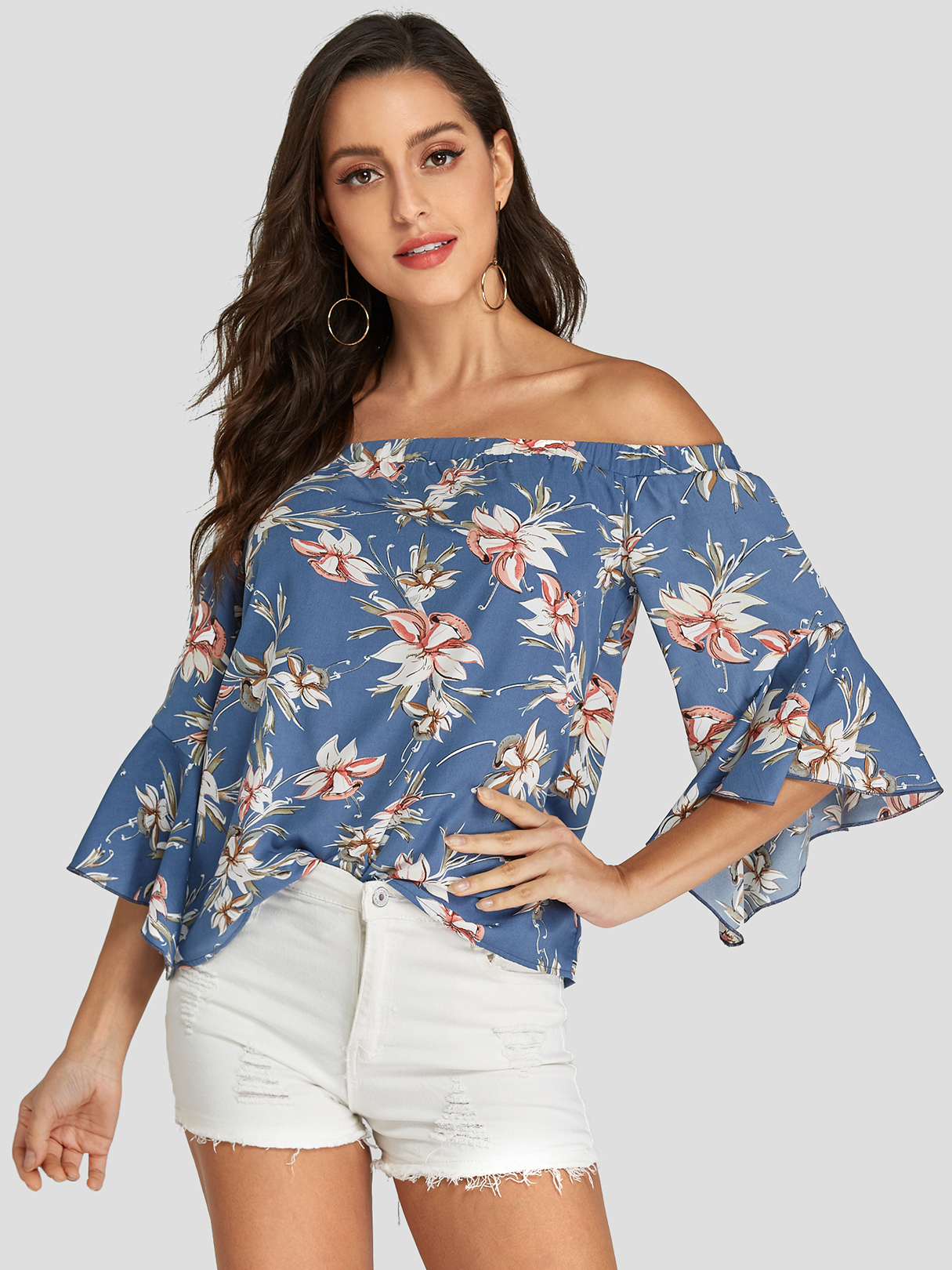
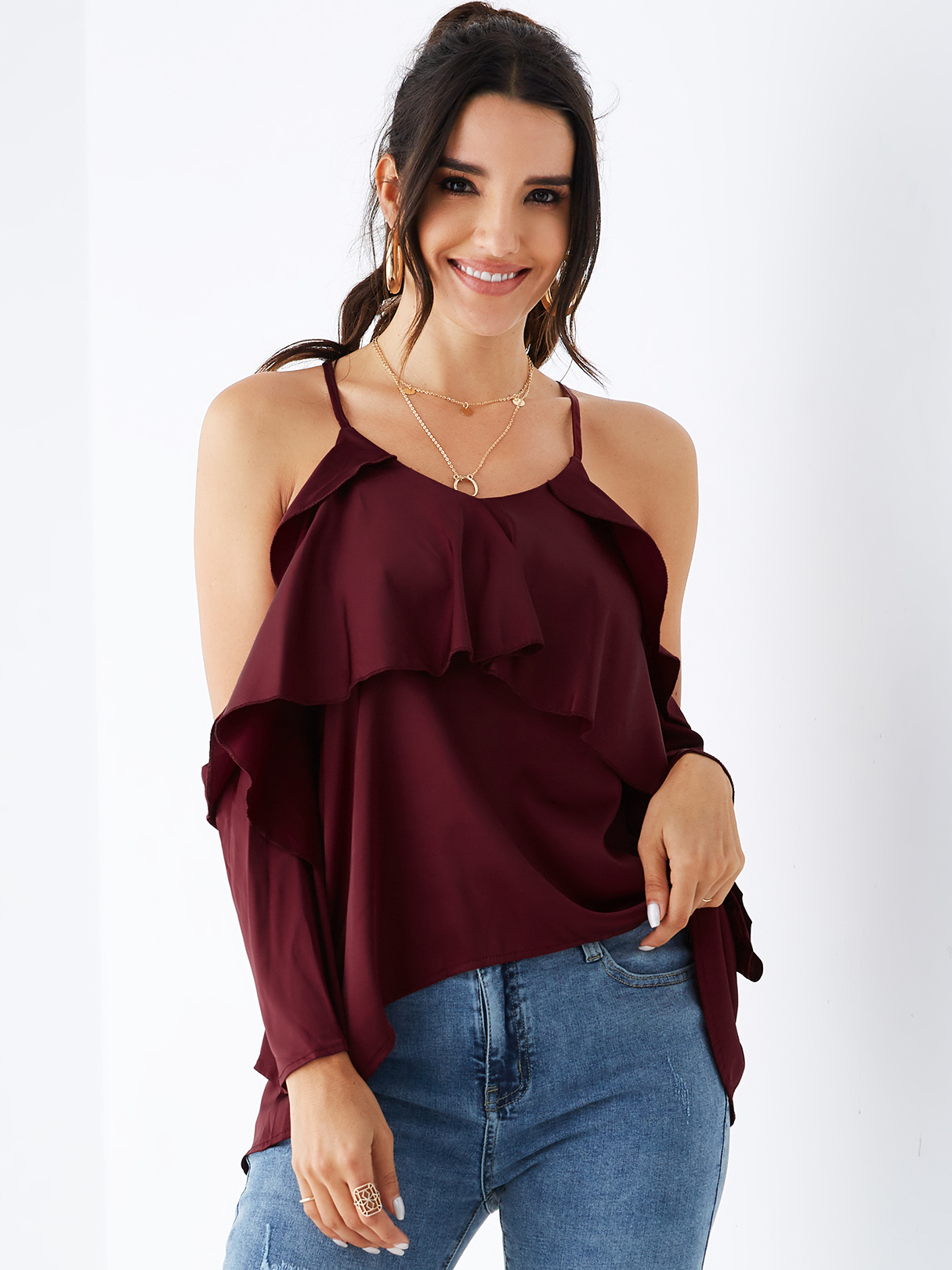
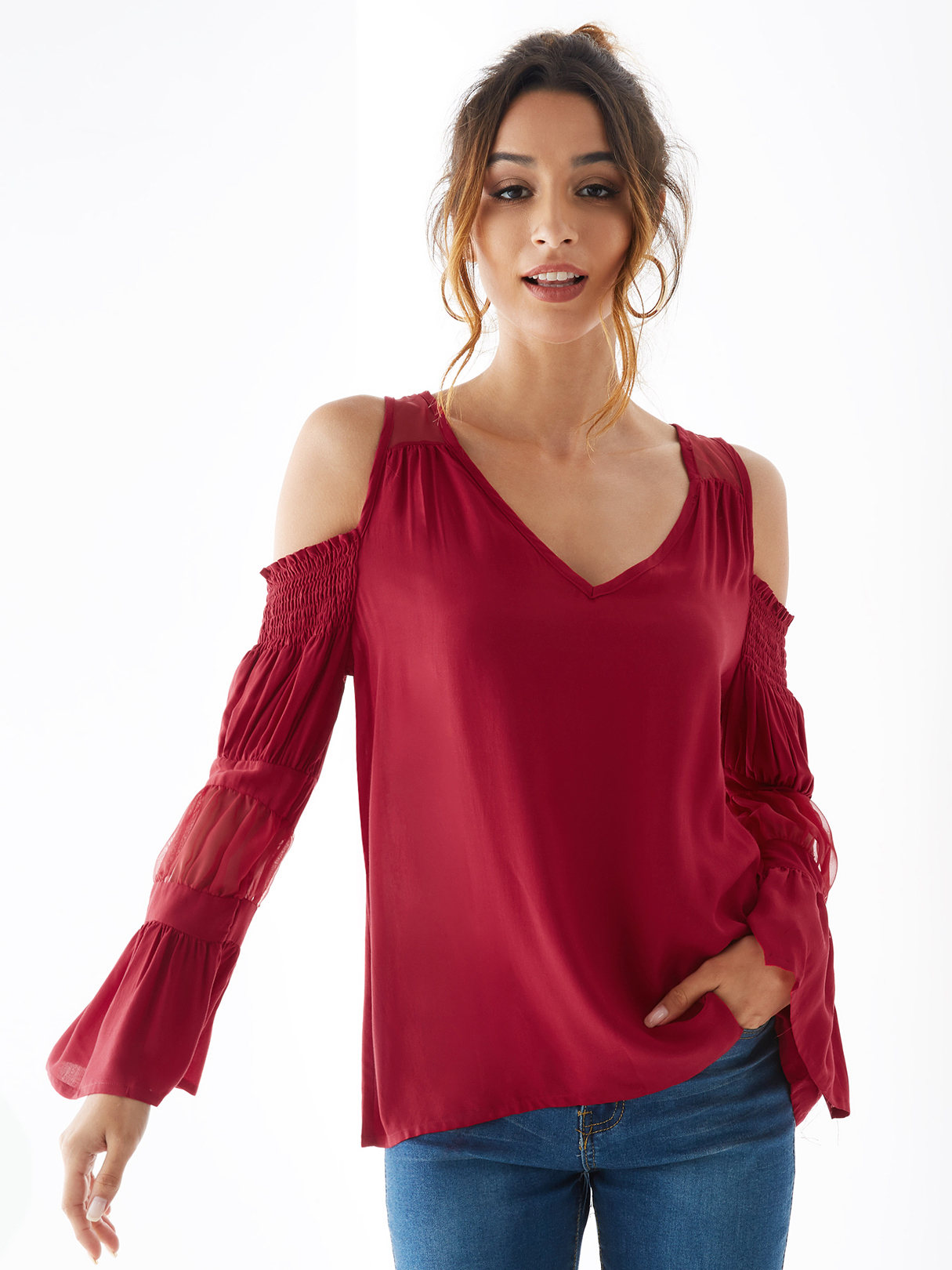
- Cold-shoulder and off-the-shoulder: show the shoulders, for summer and evenings.
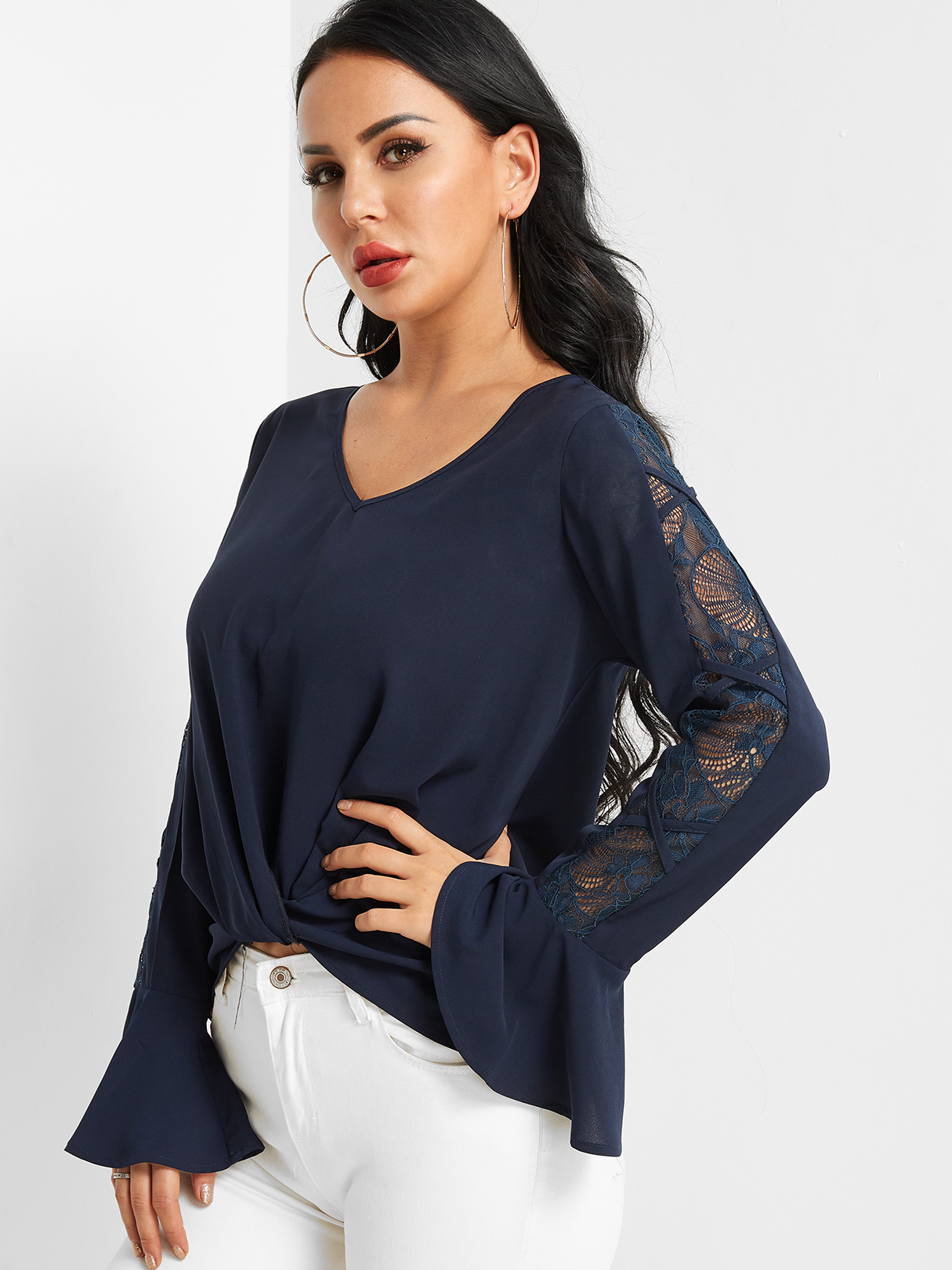
- Lace and crochet: delicate, often worn with a cami underneath.
Sleeves
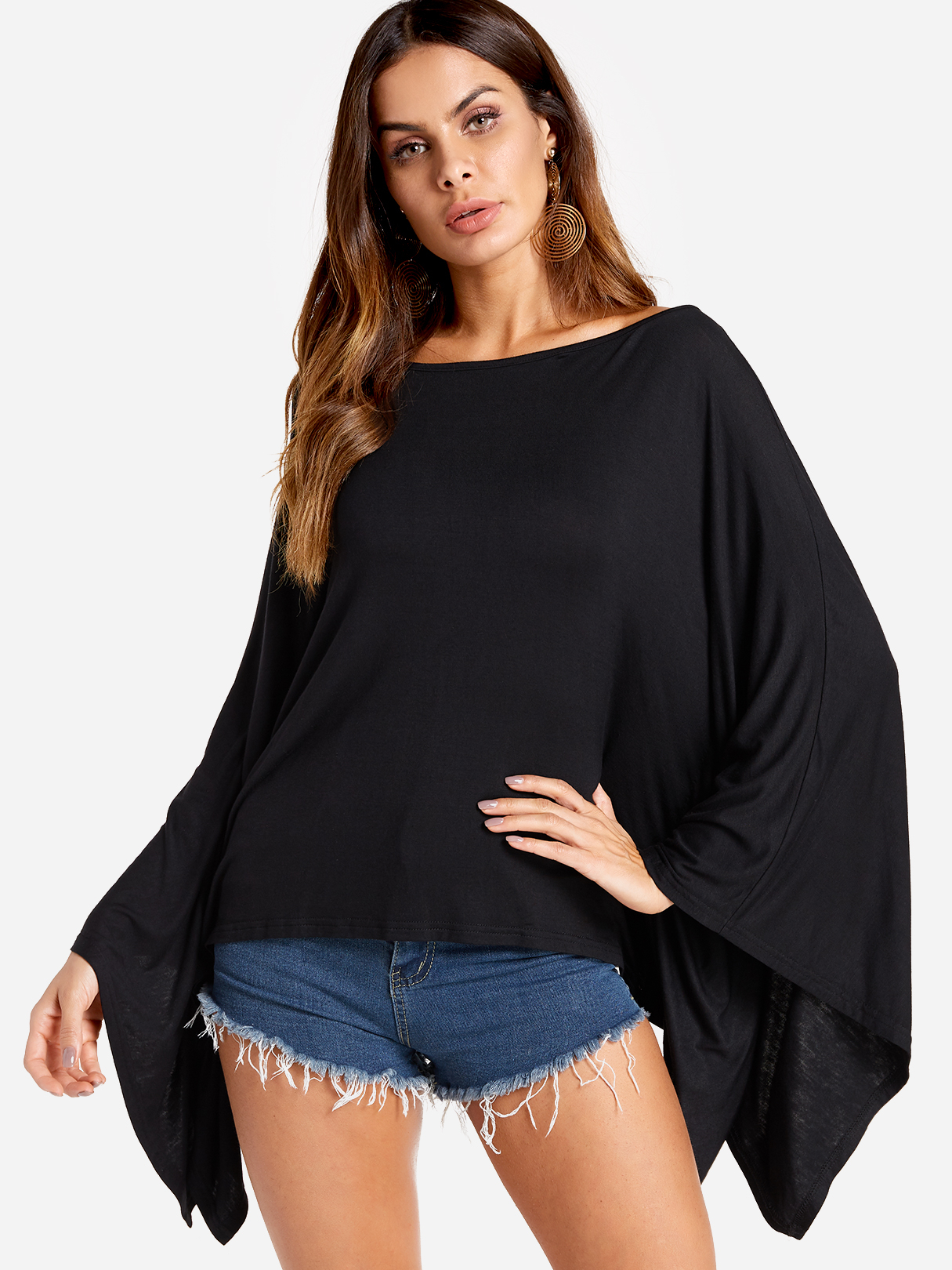
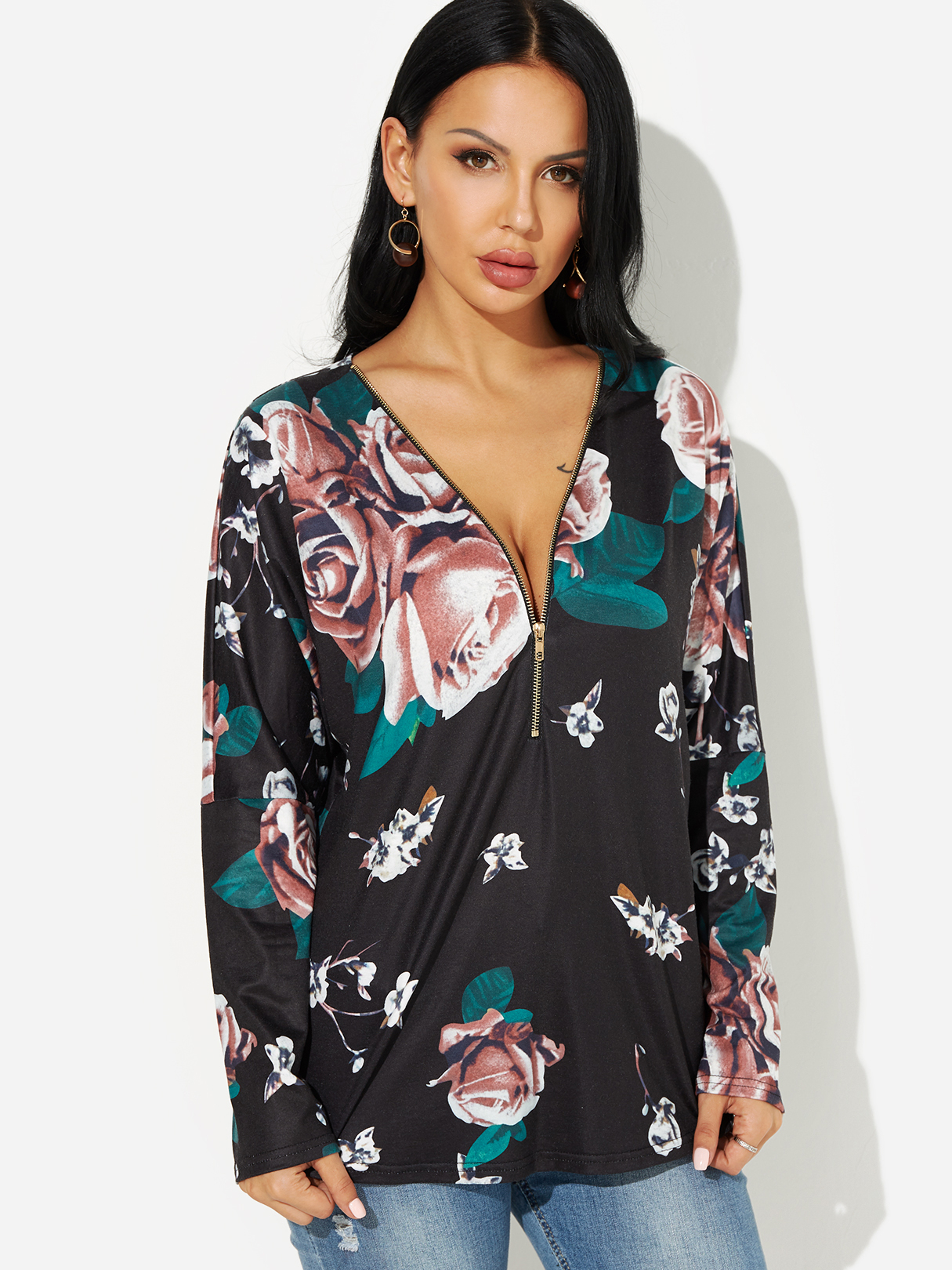
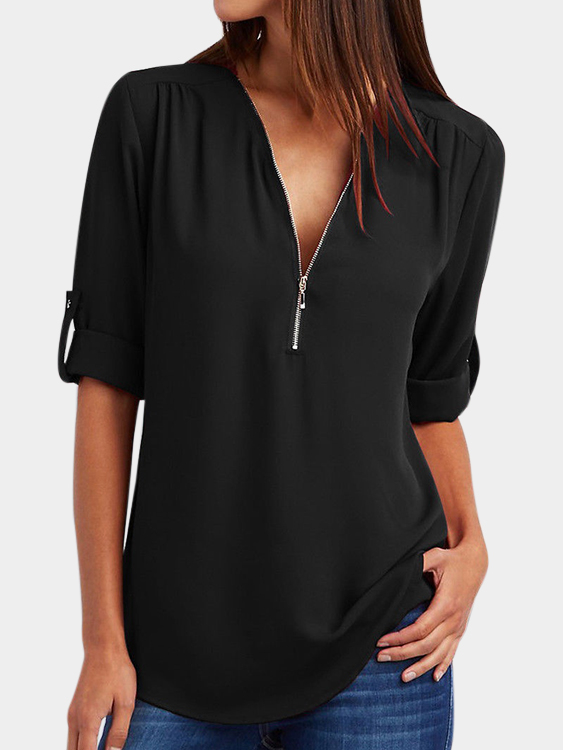
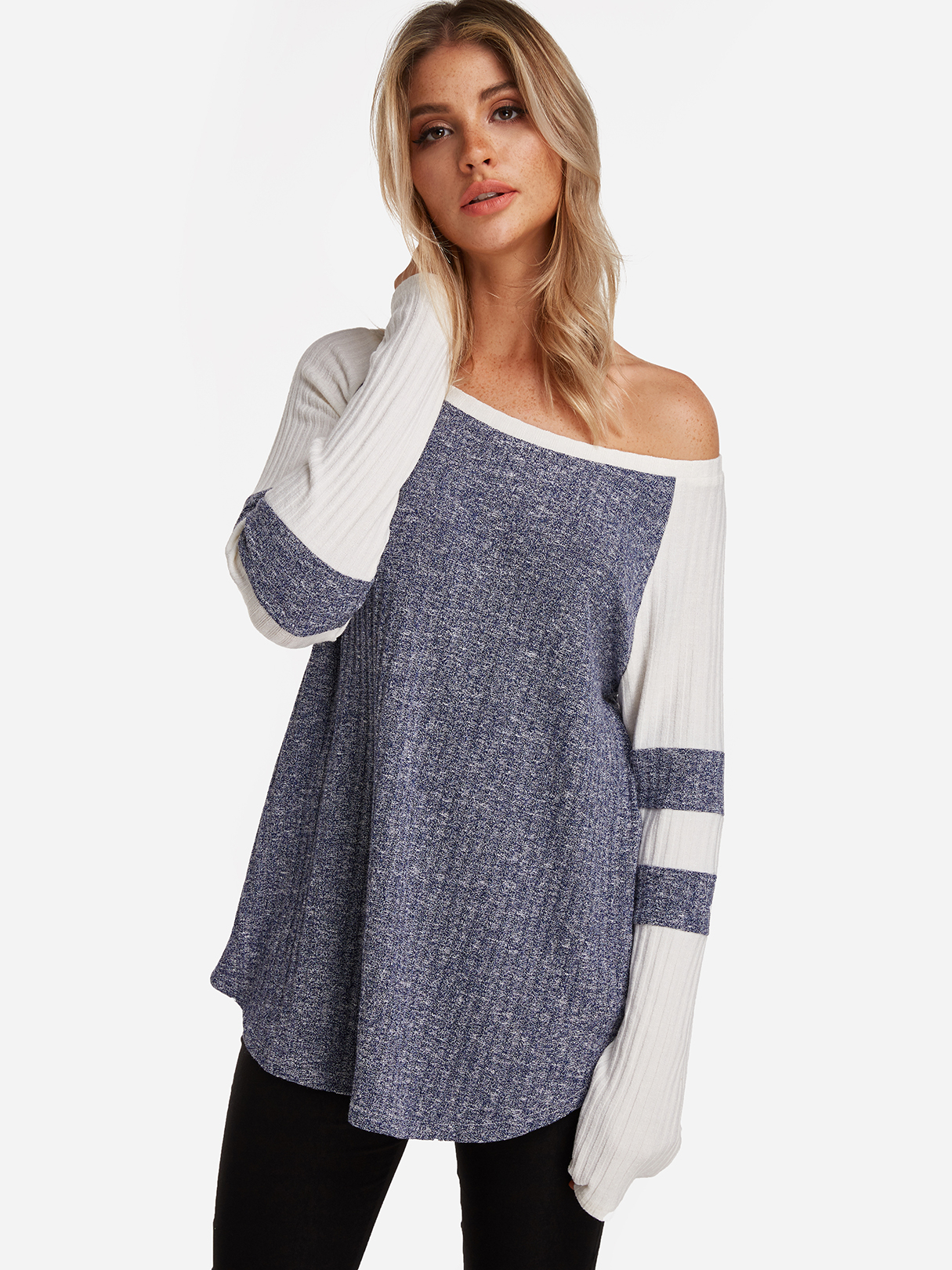
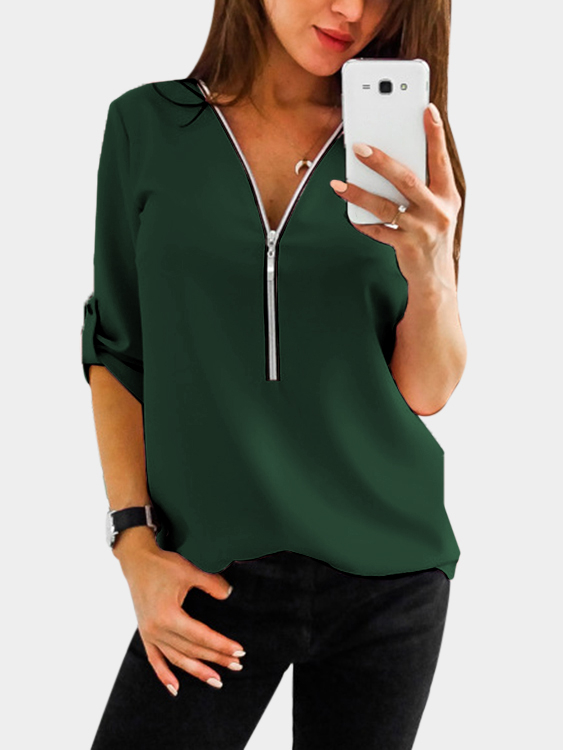
Statement sleeves are a big part of blouse style. Bell, flared and lantern sleeves widen towards the wrist; puff sleeves add volume at the shoulder; bat and dolman sleeves are cut wide from the body and are comfortable if you have fuller arms. Three-quarter sleeves end below the elbow and are practical for work.
Fit
Woven fabric does not stretch, so fit matters more than with a T-shirt. Check that the blouse does not gape between buttons at the bust and that you can move your arms freely. If your bust and shoulders fall into different sizes, choose by the bust and look for wrap, tie or loose styles. Measure yourself and use the item’s size chart, as many affordable brands run small. See the guide to finding your size online.
Fabric
Most blouses here are polyester, chiffon or viscose. Polyester and chiffon resist creasing and dry quickly. Viscose feels soft and cool but is weaker when wet. Sheer fabrics and lace usually need a cami or a nude bra underneath.
Care
Wash blouses on a gentle cycle at 30°C, or by hand for lace and chiffon, inside a laundry bag. Hang to dry straight away to reduce creases, and iron on a low heat or use a steamer. Close buttons before washing so they do not catch.
How to wear a blouse
Tuck a fitted blouse into high-waisted trousers or a skirt for work. Wear loose and boho styles over jeans or leggings. A half tuck at the front works with most high-waisted bottoms. For more tops, see tops and T-shirts, and read the guide to choosing women’s tops.
Blouses for work and evenings
For the office, choose a blouse with a higher neckline, sleeves of at least three-quarter length and an opaque fabric, and wear it with tailored trousers or a pencil skirt. For evenings, satin, lace and blouses with statement sleeves dress up plain jeans or a black skirt with very little effort.
Common questions
What is the difference between a blouse and a shirt?
Both are woven tops. A shirt usually has a collar and a full button front; a blouse is a broader term for women’s woven tops in many shapes, with or without buttons and collars.
How do I stop a blouse gaping at the bust?
Choose the size by your bust measurement, or pick wrap, tie-front or loose styles. A small safety pin or fashion tape between buttons helps on an existing blouse.
Can I put a chiffon blouse in the washing machine?
Often yes, on a gentle or hand-wash cycle at 30°C in a laundry bag, if the care label allows it. Otherwise wash by hand.