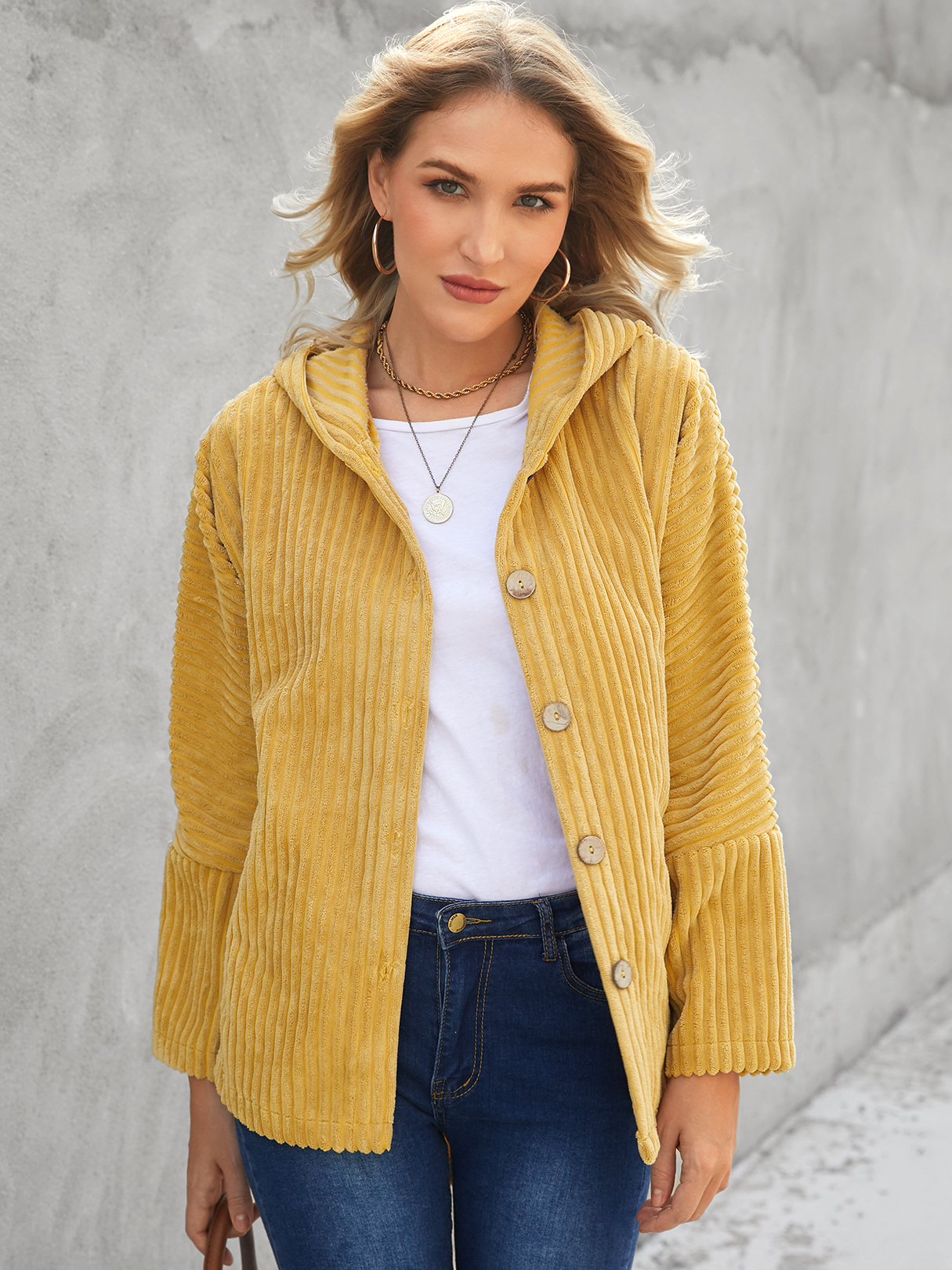
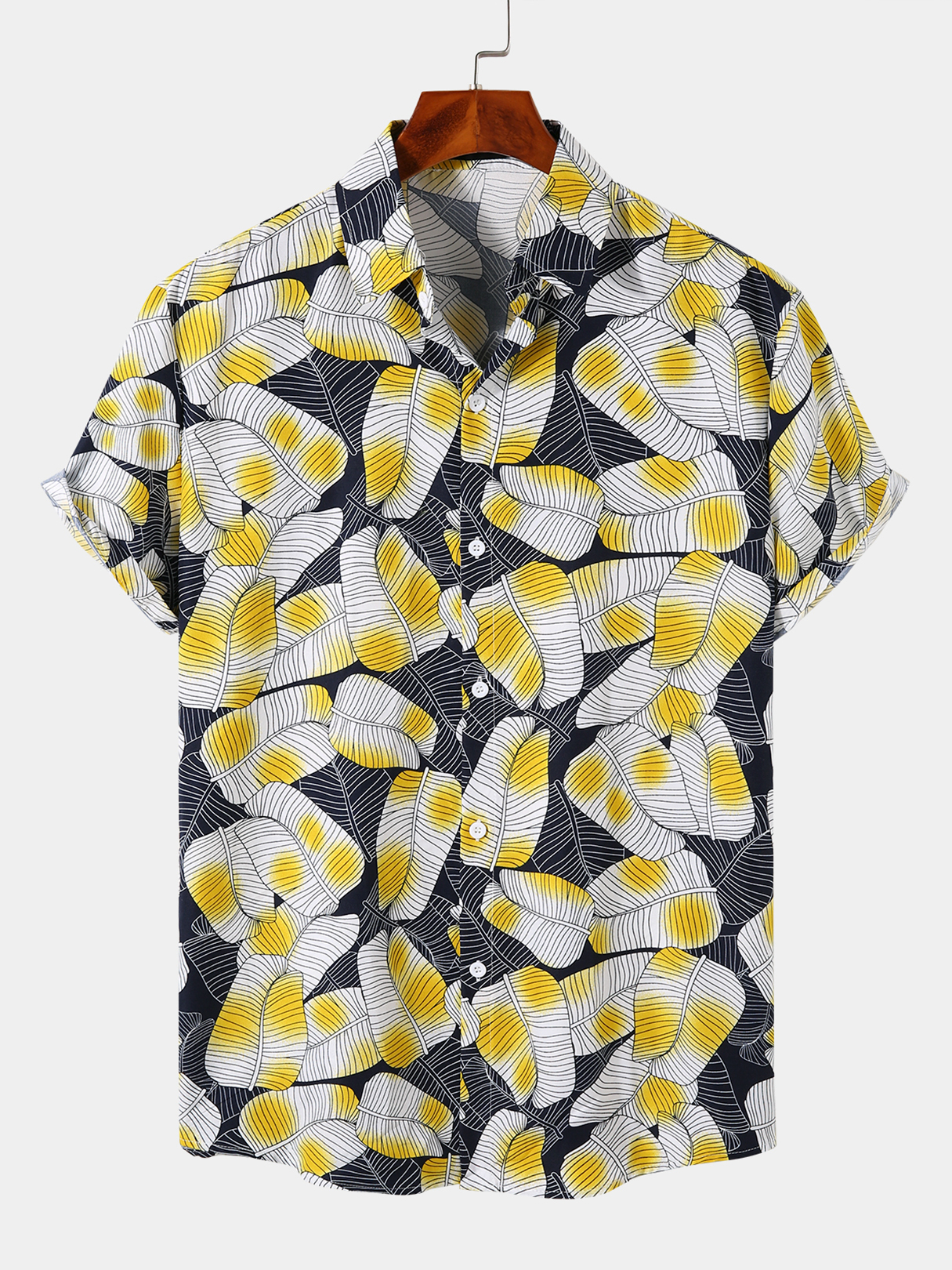
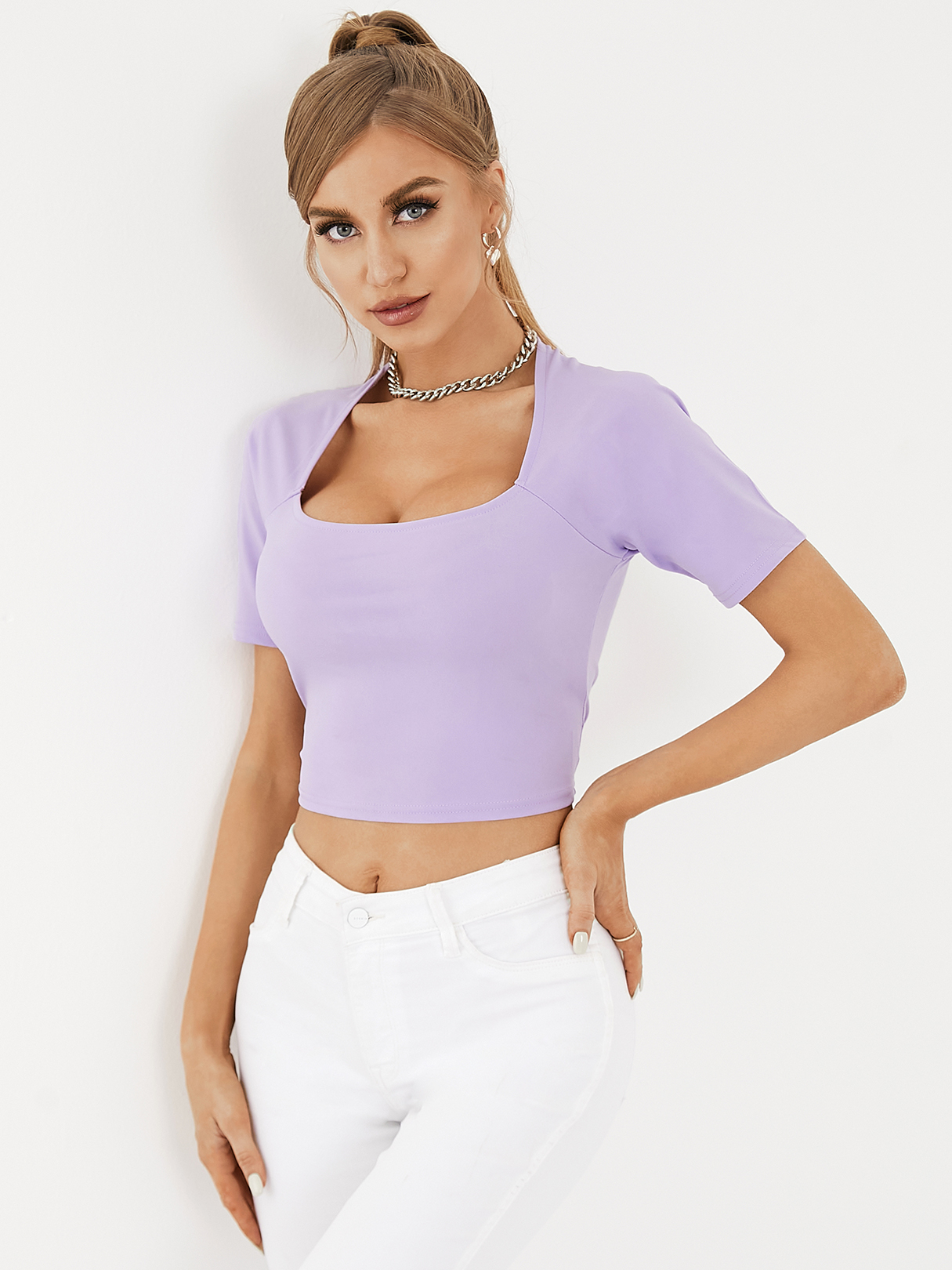
The size on a label is not a fixed measurement. A UK 12 from one brand can be closer to a 10 or a 14 from another, and many online fashion shops use letter sizes such as S, M and L that follow their own charts. The most reliable way to get the right fit is to ignore the number you usually buy and compare your body measurements with the shop’s size chart for the item you want.
That takes five minutes with a soft tape measure, and you only need to do it once. Write the numbers down, keep them on your phone, and check them against the chart every time you order from a new shop. If you are between sizes, the fabric and the cut of the garment decide whether to size up or down.
How to measure yourself
Use a soft tape measure, wear thin clothes or underwear, and stand naturally. Keep the tape level and snug but not tight.
- Bust: around the fullest part of your chest, with the tape level across your back.
- Waist: around your natural waist, the narrowest part of your torso, usually just above the belly button.
- Hips: around the fullest part of your hips and bottom, with your feet together.
- Inside leg: from the top of your inner thigh to the floor, without shoes. Easier with someone to help, or measure a pair of trousers that fit you well.
- Shoulders and sleeve: useful for coats and shirts. Measure across the back from shoulder point to shoulder point, and from the shoulder point to the wrist.
Measure in centimetres if you can, as most international size charts use them.
Reading a size chart
A size chart either lists body measurements (the person who should wear that size) or garment measurements (the clothing laid flat). Check which one it is before you compare.
- If the chart gives body measurements, compare them directly with yours.
- If it gives garment measurements, take a similar item you own that fits well, lay it flat, and measure it the same way. A flat measurement across the chest is half the full circumference, so double it.
- Look at the measurement that matters most for the item: bust for tops and dresses, waist and hips for trousers and skirts, hips for bodycon dresses, and inside leg for trousers.
When your measurements fall into two sizes, go by the tightest point. For a fitted dress that is usually the bust or hips; for trousers it is often the hips.
UK, EU and US sizes
Many shops show more than one size system. As a common guide for women’s clothing:
| UK | EU | US | Letter size (approx.) |
|---|---|---|---|
| 6 | 34 | 2 | XS |
| 8 | 36 | 4 | S |
| 10 | 38 | 6 | S to M |
| 12 | 40 | 8 | M |
| 14 | 42 | 10 | L |
| 16 | 44 | 12 | XL |
| 18 | 46 | 14 | XXL |
Treat the letter column as a rough guide only. Letter sizes vary the most between brands, especially in fast fashion and in clothing made for Asian markets, where an M can fit like a UK 8. Some items, particularly from Korean brands, are sold as “one size”, which usually means a loose or stretchy fit cut for a small to medium frame. Check the garment measurements in the listing.
Fabric and cut change the fit
The same measurements can call for different sizes depending on what the garment is made of:
- Stretch fabrics with elastane (also called spandex or Lycra) give a few centimetres. If you are between sizes in leggings or fitted tops, the smaller size usually works.
- Woven fabrics with no stretch, such as many shirts, blouses and tailored trousers, do not give. Size up if you are between sizes.
- Oversized and relaxed cuts are designed to be loose. Size down if you want a closer fit, but check the shoulder seam and sleeve length.
- Cotton can shrink a little in the first wash, especially at higher temperatures.
Read the product description for words like “slim fit”, “bodycon”, “loose” or “oversized”, and check the model’s height and the size they are wearing if the listing shows it.
Plus-size clothing
Many dresses, tops, trousers and jumpsuits on this site are made in plus sizes. Plus ranges are cut with more room at the bust, waist and hips, not just scaled up, so the fit is often better than the largest size in a standard range. Sizes are often given as 1XL to 5XL, or as UK sizes from around 16 upwards, but the measurements behind them vary even more than in standard sizes.
Tips for plus-size shopping online:
- Always check the chart for the specific item; never assume your size carries over between styles.
- Measure your upper arm for fitted sleeves, as tight sleeves are a common fit problem.
- For dresses, check the length in centimetres, as plus-size dresses are sometimes longer than their standard versions.
- Wrap styles, tie waists and elasticated waists give more flexibility in fit.
Before you order
Before you click through to a shop, check its returns policy and delivery time on the shop’s own page. Some fashion shops ship from abroad, which can mean longer delivery, customs charges and more effort to return items. Knowing your measurements makes returns less likely, but it is still worth knowing the rules first. For more help with shapes and styles, see the guide to choosing a dress shape.
Quick checklist
- Measure bust, waist, hips and inside leg in centimetres.
- Check whether the chart shows body or garment measurements.
- Use the size chart for the exact item, not your usual size.
- Go by the tightest point when between sizes.
- Size down in stretch fabric, up in fabric with no stretch.
- Check the listing for fit words like slim, loose or oversized.
- Read the shop’s returns and delivery terms before ordering.
Common questions
Should I size up or down if I am between sizes?
It depends on the fabric and cut. Stretchy, fitted items usually work in the smaller size; non-stretch woven items and anything you want to layer over usually work better in the larger size.
Why does my size differ between shops?
There is no single legal standard for clothing sizes, so each brand sets its own measurements. Fast fashion brands and those designing for Asian markets often run smaller than UK high street sizes.
What does one size mean?
It usually means a loose, stretchy or adjustable garment intended to fit a range of sizes, often cut for a small to medium frame. Check the listed measurements to see whether it will suit you.