When a dress looks great on the model and wrong on you, the problem is usually the shape, not your body. Each dress shape puts the emphasis somewhere different: a wrap dress defines the waist, a shift dress skims past it, a bodycon dress follows every curve. Once you know what each shape does, choosing becomes much easier.
Start with two questions. Where do you want the dress to fit closely, and where do you want room? And what will you do in it: sit at a desk, dance at a wedding, walk around a city on holiday? The answers point you to a shape and a length. Colour and print come last.
The main dress shapes
| Shape | How it fits | Good for |
|---|---|---|
| Wrap | Crosses over at the front and ties at the waist | Defining the waist, adjustable fit, most sizes |
| A-line and skater | Fitted at the top, flares out from the waist | Balancing wider hips, easy movement |
| Bodycon | Close-fitting stretch fabric throughout | Evenings, showing off shape |
| Shift | Straight, falls from the shoulders | Work, comfort, hot days |
| Shirt dress | Button front with a collar, often belted | Daytime, smart casual |
| Slip and cami | Thin straps, bias-cut or loose | Layering, summer evenings |
Wrap dresses
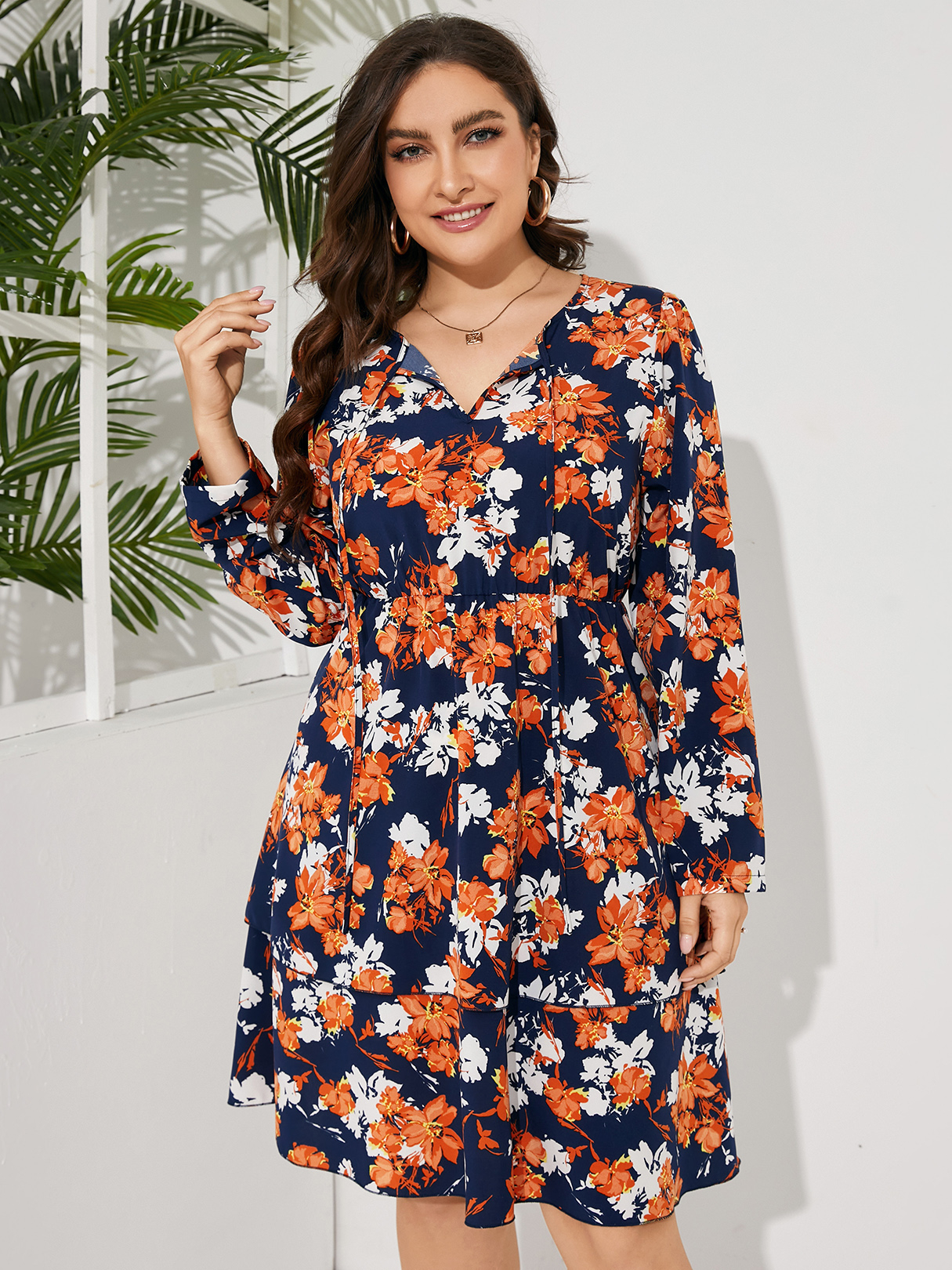
A wrap or wrap-style dress is one of the most forgiving shapes, because the tie lets you adjust the fit at the waist and the V-neck draws the eye vertically. It suits curvy figures and works across plus sizes. Check how deep the neckline is in the photos, and whether it is a true wrap that ties, or a faux wrap sewn in place, which cannot be adjusted.
A-line, skater and shift
An A-line or skater dress is fitted to the waist and then flares. It balances hips and thighs and is comfortable to sit and walk in. A shift dress hangs straight from the shoulders without a defined waist, which feels relaxed and suits straighter figures; adding a belt changes the look completely.
Bodycon
Bodycon dresses are made from stretch fabric and fit closely everywhere. Fit is everything here: check the hip measurement on the size chart, and remember that thin stretch fabric shows every line, so smooth underwear matters.
Choosing the length
- Mini: above the knee. Easy to wear with trainers or boots, but check the length in centimetres if you are tall.
- Knee length: the most versatile, fine for work and most occasions.
- Midi: between knee and ankle. Works with flat shoes, boots and heels, and is popular for weddings and work.
- Maxi: to the ankle or floor. Good for holidays and evenings; if you are petite, check the length so it does not drag.
Lengths in listings are usually measured from the shoulder seam to the hem. Compare that figure with a dress you own rather than relying on the photo, as models are often tall.
Necklines and sleeves
- V-necks lengthen the neck and suit a larger bust.
- Square and scoop necks frame the collarbones and work well with necklaces.
- High and crew necks are good for work and for layering under jackets.
- Off-the-shoulder and halter styles show the shoulders, but need the right underwear, so check before buying.
- Long or three-quarter sleeves make a dress usable through more of the year, especially with tights in autumn.
Dressing for the occasion
Work: shift, shirt, wrap or A-line dresses in knee or midi length, in fabrics that do not crease easily. Add a blazer or cardigan for meetings.
Weddings: midi wrap or A-line dresses are safe and comfortable for a long day. Avoid white and anything that could look bridal. The blog post on what to wear to a summer wedding has more ideas.
Holidays: loose shift, slip and maxi dresses in breathable fabrics, which also fold small in a suitcase.
Evenings: bodycon, slip or wrap dresses, perhaps in velvet, sequins or satin. A blouse with a skirt is an alternative if you prefer separates.
If you prefer separates or something more practical, jumpsuits and playsuits and co-ordinated sets give a dressed-up look with trousers or shorts. For a dress-like look you can mix and match, try a skirt with a fitted top.
Fabric and care
Most affordable dresses are made from polyester, viscose or cotton, often with some elastane for stretch. Polyester resists creasing and dries fast but does not breathe well in heat. Viscose drapes softly and feels cool, but it can shrink and is weaker when wet, so wash it cool and gently. Cotton breathes well and suits summer, but creases. Always follow the care label, and see the guide to finding your size online before you order.
Quick checklist
- Decide where you want a close fit and where you want room.
- Wrap and A-line suit most figures; bodycon needs an exact fit.
- Check the dress length in centimetres, not just the photo.
- Pick the neckline for the occasion and your underwear.
- Midi wrap or A-line is a safe choice for weddings and work.
- Look at the fabric: polyester for easy care, viscose and cotton for warm days.
- Check the size chart for the bust, waist and hips of the exact dress.
Common questions
Which dress shape is the most flattering?
There is no single answer, but wrap and A-line dresses suit the widest range of figures, because they define the waist and leave room at the hips. Bodycon dresses work best when the fit is exact.
What is the difference between a skater and an A-line dress?
Both are fitted at the top and flare from the waist. A skater dress usually has a fuller, circular skirt and is shorter, while an A-line dress flares more gently into a triangle shape.
How do I know what length a dress will be on me?
Look for the length measurement in the product details, usually from the shoulder to the hem, and compare it with a dress you own. If the listing gives the model’s height, use that as a guide too.